Blog
When should my child start talking?
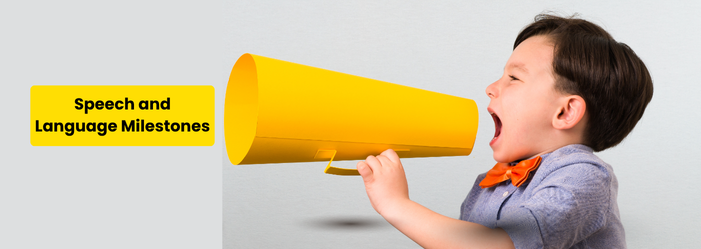
One of the most exciting parts of watching your child grow is hearing their first sounds, first words, and eventually their first conversations. Even if those early conversations are mostly about snacks or socks. Communication skills play a vital role in helping children express their needs, build relationships, learn at school, and develop confidence.
While every child develops at their own pace, understanding typical speech and language milestones can help parents recognise progress and identify when additional support may be beneficial.
What Is the Difference Between Speech and Language?
Although the terms are often used interchangeably, speech and language are different aspects of communication.
Speech
Speech is the way children make sounds and words. It includes how clearly they pronounce sounds, how easy they are to understand, how they use their voice, and how well they coordinate the mouth muscles needed for talking.
- Pronouncing sounds correctly
- Speaking clearly
- Using the voice appropriately
- Speaking loudly enough to be heard
- Adjusting volume i.e., inside voice v outside voice
- Learning to notice listener cues
- Coordinating the muscles used for talking
Language
Language is about understanding and using words, gestures, and sentences to share meaning. It includes how your child follows instructions, understands what you say, asks questions, combines words, and joins in conversations.
- Understanding what others say (receptive language) and following instructions
- Using words, sentences, and gestures to communicate (expressive language)
- Asking questions
- Engaging in conversations
Children need both speech and language skills to communicate effectively.
Speech and Language Milestones by Age
Birth to 6 Months
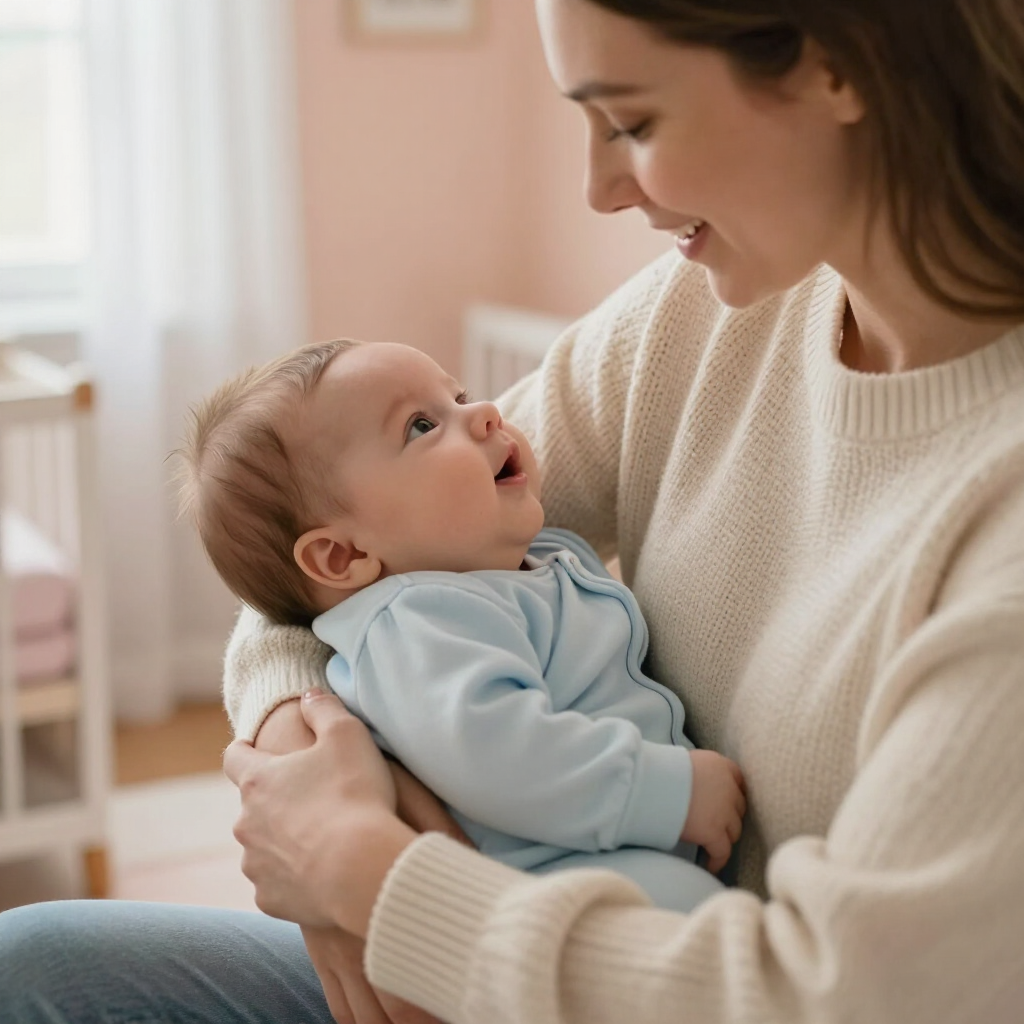
Even before they say their first words, babies are learning how communication works and they are already very good at making their needs known, especially at 3 a.m.
Typical milestones include:
- Startling or responding to sounds
- Recognising familiar voices
- Smiling and making eye contact
- Cooing and making vowel sounds
- Taking turns in early "conversations" through sounds and facial expressions
How parents can help:
- Talk to your baby throughout the day
- Make eye contact while speaking
- Respond to their sounds and attempts to communicate
- Sing songs and read simple books together
6 to 12 Months
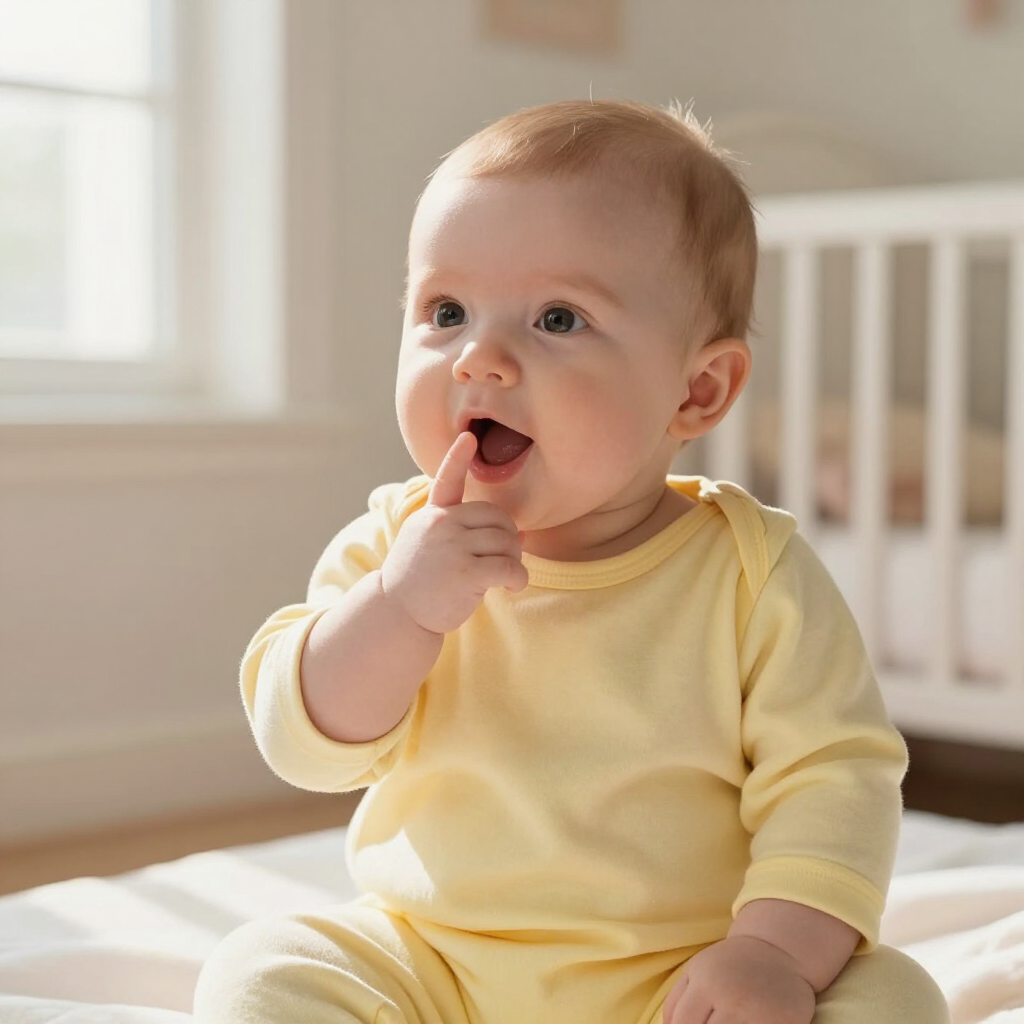
Babies begin experimenting with sounds and understanding more of the language around them.
Typical milestones include:
- Babbling (e.g., "ba-ba" or "da-da")
- Responding to their name
- Understanding simple words such as "no" or "bye-bye"
- Using gestures such as waving or pointing
- Saying their first word around their first birthday
How parents can help:
- Name familiar people and objects
- Encourage pointing and gestures
- Read books with simple pictures
- Repeat sounds and words back to your child
1 to 2 years
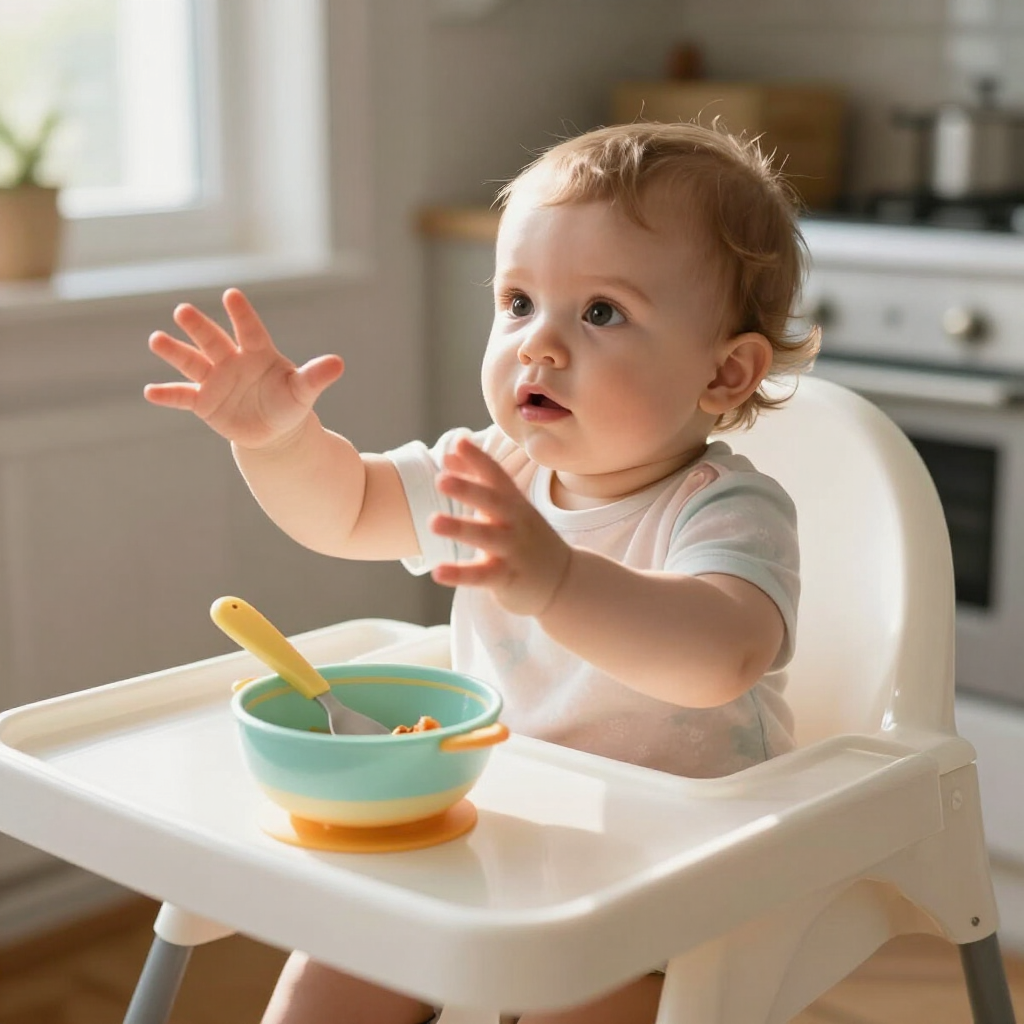
Toddlers rapidly build their vocabulary and begin using words to get their needs met. Often with great enthusiasm, repetition, and very strong opinions about snacks.
Typical milestones include:
- Using approximately 20-50 words by 18 months
- Following simple instructions
- Pointing to familiar objects when named
- Combining two words by around age two (e.g., "more juice" or "mummy up")
- Understanding much more language than they can say
How parents can help:
- Children need to hear a new word many times to understand – to fully understand and use it confidently they need to hear words up to 80 times!
- Expand on your child's words (e.g., child says "dog", parent says "big dog")
- Read books daily
- Offer choices to encourage communication (e.g. “do you want banana or apple?”)
- Narrate daily routines and activities (e.g. Brush your hair)
- Make words more fun with funny voices and animated reactions
2 to 3 Years
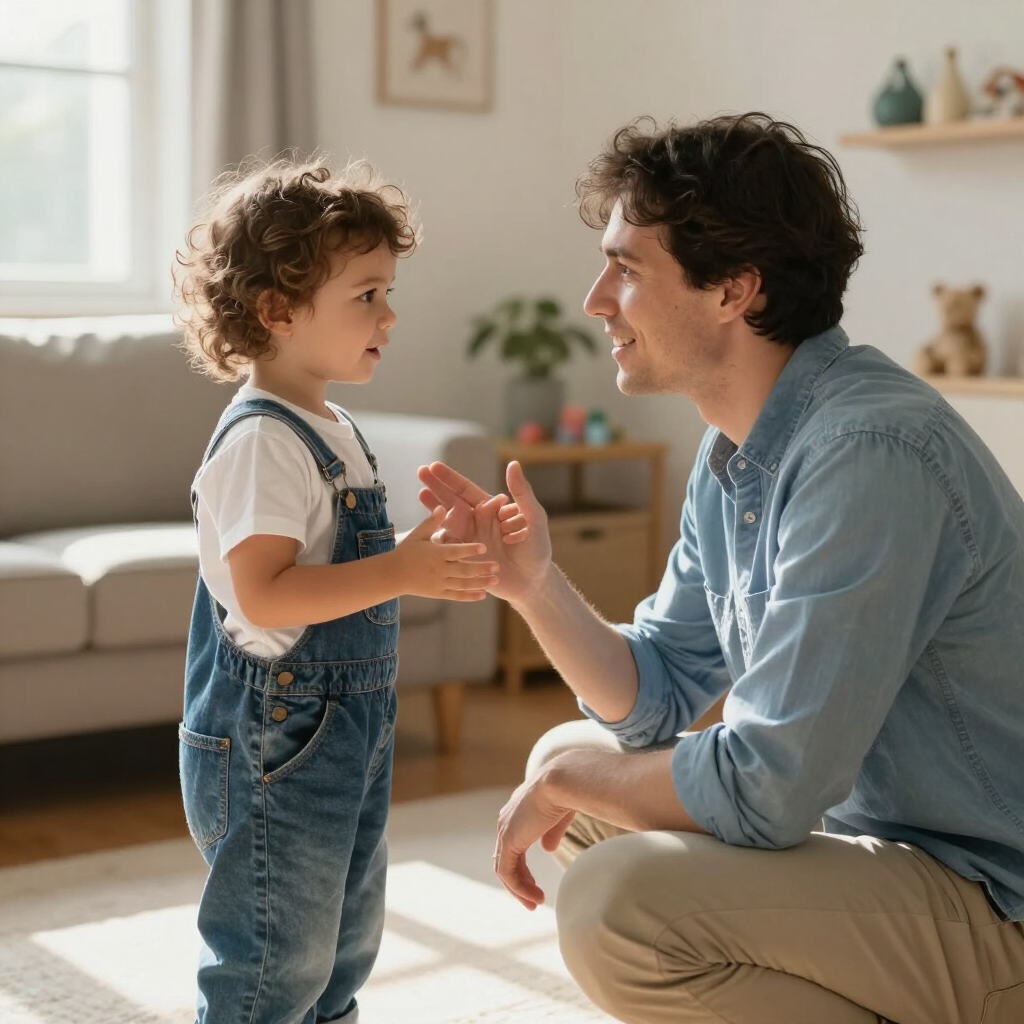
Children become more confident communicators and begin using longer sentences, which can be delightful, funny, and occasionally surprisingly persuasive.
Typical milestones include:
- Using 4 – 5 word sentences (e.g. “I want more fruit”)
- Asking simple questions
- Naming familiar objects
- Following 2-step instructions (e.g. make teddy jump!”)
- Being understood by familiar adults most of the time
- Understand up to 300 words
- Can say words and sounds that start with p, b, t, d, m, n, w, k & g
How parents can help:
- Encourage conversation during play
- Ask simple open-ended questions
- Play pretend games together
- Continue reading and discussing books
- Begin to add “S” to make plurals
3 to 4 Years
Children at this age are becoming more confident talkers, often using language to share ideas, ask questions, tell short stories, and explain their very important preschool thoughts.
Typical milestones include:
- Speaking in longer sentences, often using four or more words
- Telling simple stories or talking about recent events
- Asking lots of questions, including who, what, where, and why
- Using language to express needs, ideas, and feelings
- Understanding concepts such as colours, size, location, and simple opposites
- Following two- to three-step instructions
- Being understood by familiar adults most of the time
How parents can help:
- Encourage pretend play and storytelling
- Talk about what happened during the day
- Introduce new words naturally during play, books, and routines
- Give your child time to answer questions and share ideas
- Play simple games involving listening, turn-taking, and following directions


4 to 5 Years
By this stage, children are usually using language in more detailed and flexible ways, including sharing longer stories, explaining ideas, negotiating with peers, and occasionally correcting adults with impressive confidence.
Typical milestones include:
- Speaking clearly in full sentences most of the time
- Telling longer stories with a beginning, middle, and end
- Using language to explain thoughts, feelings, problems, and solutions
- Understanding and using more complex concepts, such as time words, positions, categories, and describing words
- Following multi-step instructions in everyday routines
- Joining in conversations, taking turns, and staying on topic
- Being understood by most people, although some speech sound errors may still be present
How parents can help:
- Encourage your child to retell stories, describe experiences, and explain how things work
- Read books together and ask questions about what might happen next
- Play games that involve listening, memory, turn-taking, and following directions
- Model new vocabulary and help your child use words to describe emotions, ideas, and problem-solving
- Encourage conversations with adults and peers in everyday situations

5 to 7 Years
As children enter school, communication skills become increasingly important for learning and social interaction. From explaining their thinking in class to negotiating the very serious politics of playground games.
Typical milestones include:
- Using more complex sentences
- Understanding and using a wide range of vocabulary and joining sentences together by using, “so” or “because”
- Participating in conversations with peers
- Answering and asking detailed questions
- Retelling stories in sequence
- Understanding humour, jokes, and figurative language
- Unfamiliar people can understand them
How parents can help:
- Encourage regular conversation
- Read a variety of books together
- Discuss topics that interest your child
- Support opportunities for social interaction
Signs Your Child May Need Additional Support
Remember, children develop at different rates. A slight delay in one area does not necessarily mean there is a problem, just as one spectacular jump off the couch does not mean anyone is ready for the Olympics.
However, it may be helpful to seek professional advice if your child:
- Seems significantly behind their peers
- Frequently avoids physical activities
- Has difficulty with balance or coordination
- Struggles with tasks requiring hand strength or dexterity
- Is frustrated by age-appropriate self-care activities
- Finds handwriting, drawing, or using scissors particularly challenging
Early support can make a significant difference, helping children build skills, confidence, and a little less frustration when everyday tasks feel trickier than they should.
How Occupational Therapy Can Help
Occupational therapists work with children to develop the skills they need for everyday activities. In child-friendly terms, this often means purposeful play with a plan behind it, even when it looks like obstacle courses, games, craft, or carefully negotiated sticker rewards. This may include:
- Fine motor development
- Hand strength and coordination
- Pencil grasp and handwriting
- Balance and body awareness
- Self-care skills such as dressing and feeding
- School readiness skills
Therapy is designed to be engaging, play-based, and tailored to each child’s unique strengths and needs, because children learn best when they feel safe, supported, and interested in what they are doing.
Conclusion
Motor skill development plays a vital role in a child’s ability to learn, play, and participate in everyday life. While all children develop at their own pace, understanding developmental milestones can help parents know what to look for, what to encourage, and when to seek reassurance.
If you have concerns about your child’s motor development, seeking advice early can provide reassurance and valuable support. Every small step, wobble, scribble, snip, and button attempt contributes to building the skills children need to thrive.
Ready to get Started?
Let's talk about how we can unlock your child's potential.