Blog
Child development motor skills milestones
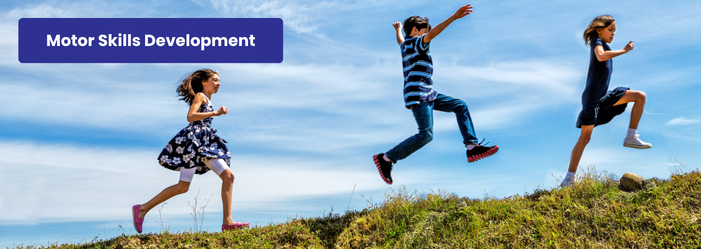
If you’ve ever watched your toddler spend ten determined minutes trying to put on a shoe that somehow still ends up on the wrong foot, or admired a preschooler’s stick-figure masterpiece that looks suspiciously like a potato with legs, you’ve already seen motor skill development in action.
Motor skills are the behind-the-scenes heroes of childhood. They help children move, play, explore, feed themselves, get dressed, draw, write, and eventually manage the many tiny tasks that make up a busy day.
The good news? Development isn’t a race, and there’s no trophy for rolling over first. Children learn and grow at different rates, and sometimes a little extra support can make the journey smoother for everyone.
What Are Motor Skills?
Motor skills are the movements that help us navigate the world, from big whole-body movements to tiny finger movements that require surprising amounts of concentration.
Think of them as the body’s construction project. Before your child can write their name, they need strong shoulders, stable posture, hand strength, and coordination. It’s a bit like building a house: you need the foundations before installing the fancy kitchen, the soft-close drawers, and the fridge full of snacks.
Gross Motor Skills
Gross motor skills involve the larger muscles used for:
- Running
- Jumping
- Climbing
- Balancing
- Throwing
For parents, these are often the skills responsible for turning your living room into an obstacle course and your couch cushions into “essential equipment”.
Fine Motor Skills
Fine motor skills involve the smaller muscles of the hands and fingers used for:
- Holding pencils
- Using cutlery
- Buttoning clothing
- Drawing
- Cutting with scissors
In other words, these are the skills that help determine whether breakfast ends up in your child’s mouth, on the table, or decorating the floor in a very modern art style.
Motor Skill Milestones by Age
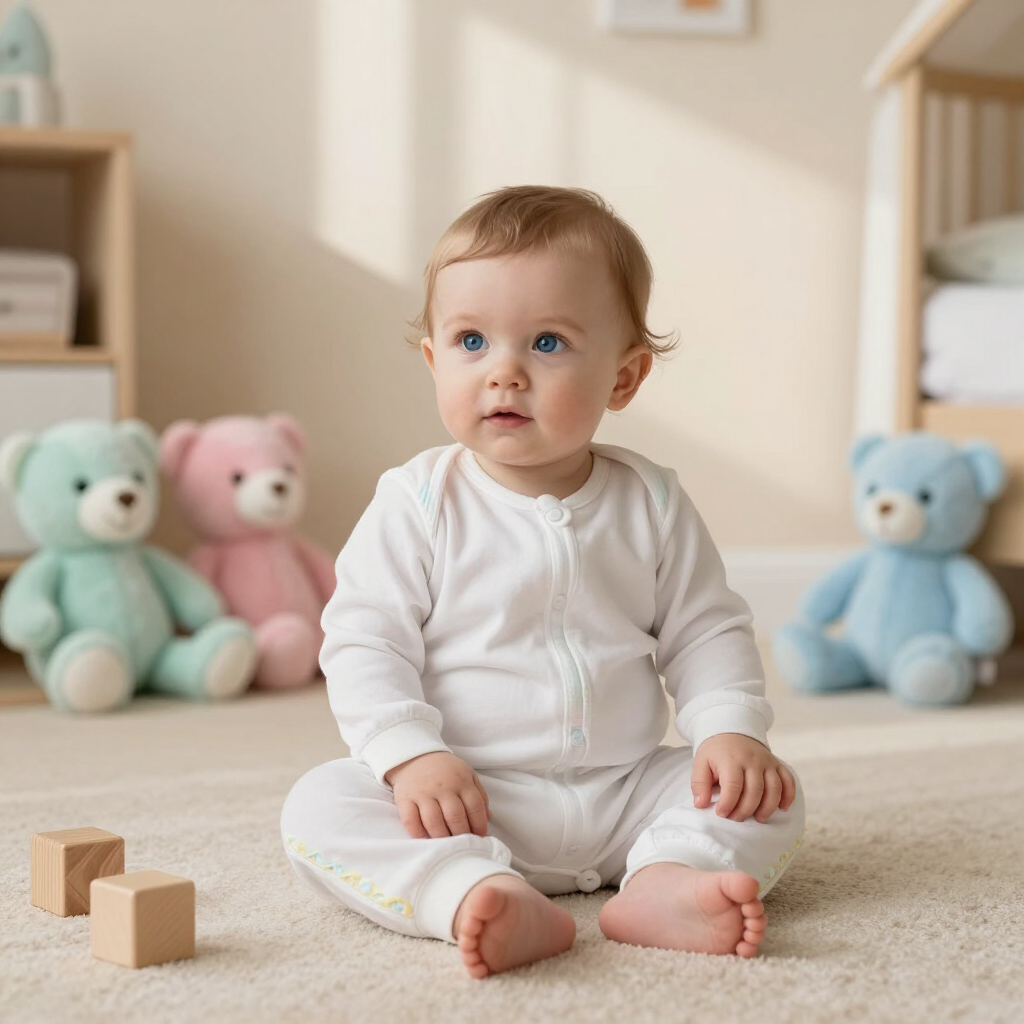
6 to 12 Months
Babies become increasingly mobile and curious about their surroundings. This is often when parents realise the coffee table is not just furniture; it is apparently a cruising station, drum kit, and snack shelf all in one.
Typical milestones include:
- Sitting independently
- Crawling or moving around the floor
- Pulling to stand
- Cruising along furniture
- Picking up small objects using fingers
- Transferring toys between hands
How parents can help:
- Create safe spaces for exploration
- Encourage floor play rather than prolonged time in equipment
- Provide toys that promote grasping and hand coordination

12 to 18 Months
Toddlers are becoming more confident on their feet and eager to explore the world independently. They may also be developing strong opinions about doing everything "by myself", even when socks are involved.
Typical milestones include:
- Walking independently
- Squatting to pick up toys and returning to standing
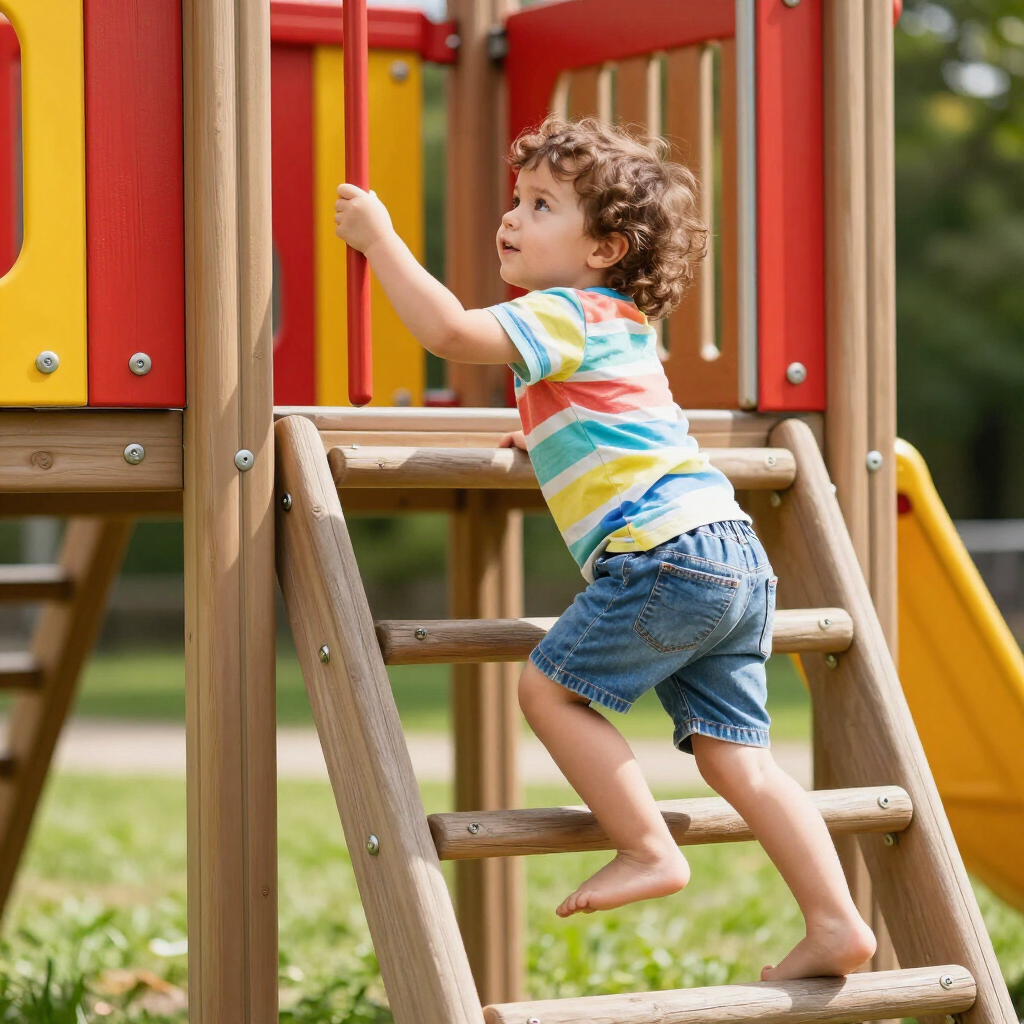
- Climbing onto low furniture
- Pulling toys while walking
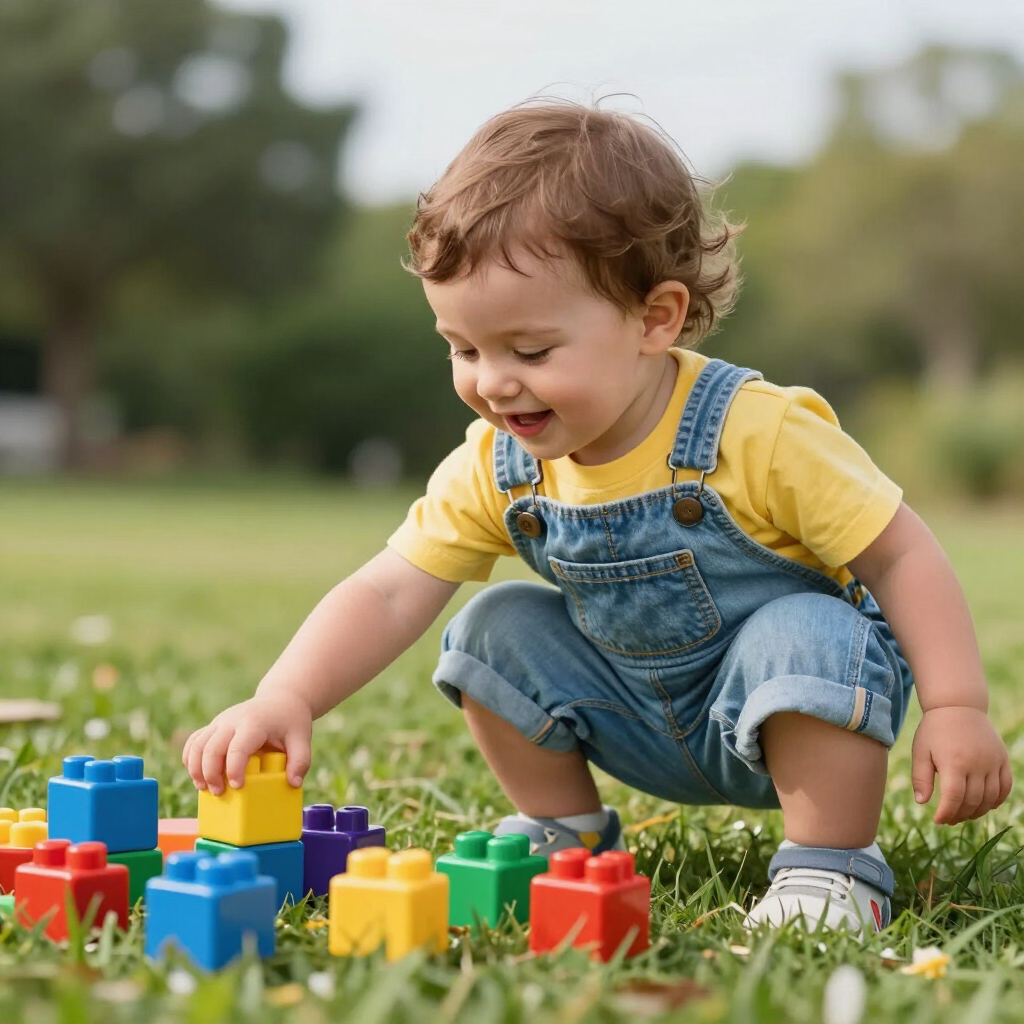
- Building a tower of 2 to 4 blocks
- Using fingers to self-feed
- Scribbling spontaneously with crayons
How parents can help:
- Encourage outdoor exploration and movement
- Provide push-and-pull toys
- Offer opportunities for supervised climbing
- Introduce crayons and large building blocks
18 to 24 Months
Movement becomes faster, more coordinated, and more adventurous. This is often the stage where parents discover just how quickly a toddler can disappear when something interesting catches their eye.
Typical milestones include:
- Running
- Beginning to jump
- Walking up stairs with assistance
- Kicking a ball
- Using a spoon more independently
- Building towers of 4 to 6 blocks
- Turning pages one at a time
How parents can help:
- Encourage active outdoor play
- Practise ball games together
- Offer opportunities for self-feeding
- Provide simple puzzles and construction activities

2 to 3 Years
Children continue refining their balance, coordination, and hand skills. Their movements may look more purposeful now, although gravity still makes the occasional surprise appearance.
Typical milestones include:
- Running more confidently
- Jumping with both feet
- Climbing stairs with support
- Throwing and catching large balls
- Turning pages in books independently
- Stringing large beads
- Completing simple puzzles
- Using utensils with increasing control
How parents can help:
- Visit playgrounds regularly
- Encourage drawing and creative play
- Play games involving throwing and catching
- Offer opportunities to practise self-help skills
3 to 4 Years
Preschoolers continue building the coordination and control needed for everyday activities. Their confidence often grows faster than their caution, which can make life very entertaining for parents.
Typical milestones include:
- Pedalling a tricycle
- Climbing confidently
- Standing on one foot briefly
- Throwing a ball overhand
- Copying simple shapes such as circles
- Using child-safe scissors with supervision
- Drawing simple people and pictures
How parents can help:
- Encourage active playground play
- Provide arts and crafts opportunities
- Practise simple obstacle courses
- Promote activities that strengthen hand skills
4 to 5 Years
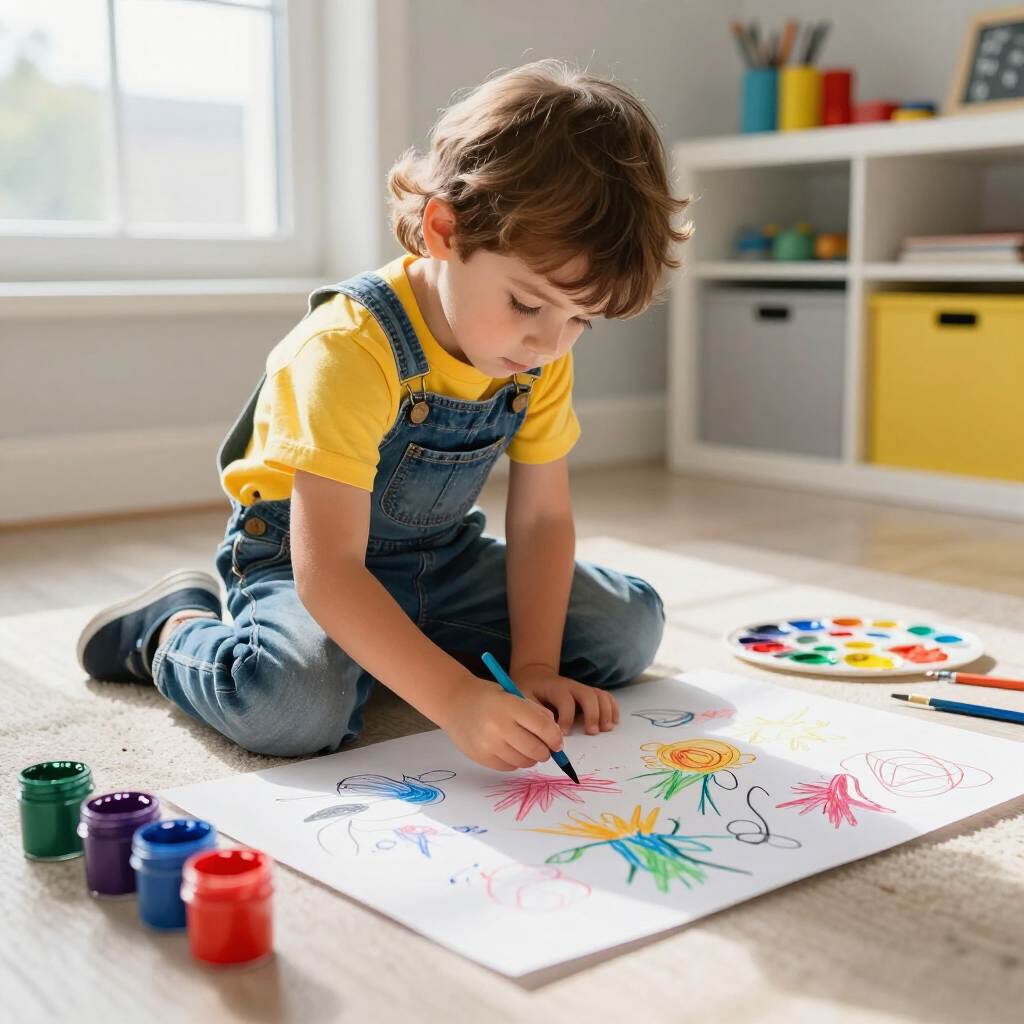
Children begin developing many of the skills needed for school readiness, including greater control for drawing, cutting, dressing, and early writing. This is also the stage where "I made you something" may involve glitter. So much glitter.
Typical milestones include:
- Hopping on one foot
- Catching a ball more consistently
- Beginning to skip
- Cutting along simple lines
- Drawing more detailed pictures
- Writing some letters
- Managing some clothing fasteners independently
How parents can help:
- Encourage art and craft activities
- Practise dressing skills such as buttons and zips
- Play games that involve balance and coordination
- Support early writing through fun, play-based activities
5 to 7 Years
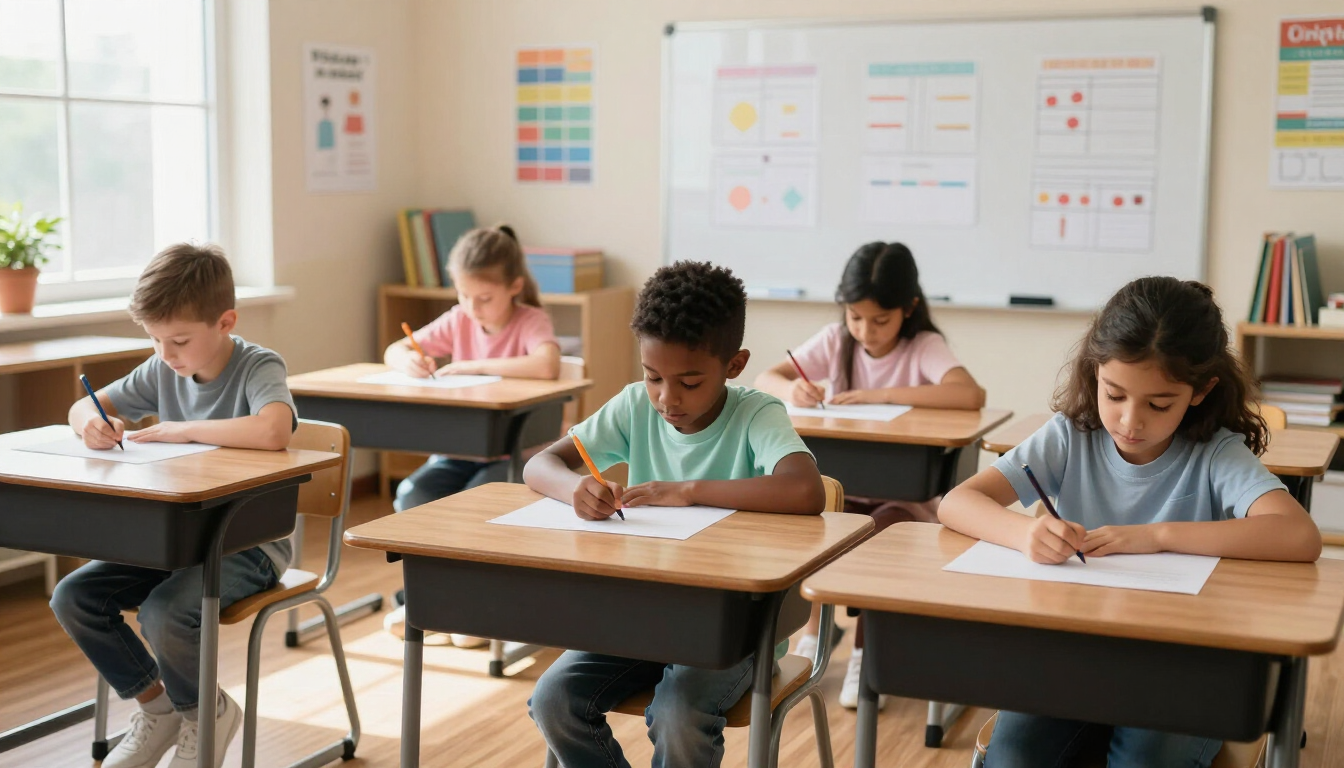
Children develop greater strength, coordination, and endurance as they participate in increasingly complex school, sporting, and social activities. Their bodies are getting much better at keeping up with their plans, which can be ambitious, energetic, and occasionally involve a cape.
Typical milestones include:
- Improved balance and coordination
- Skipping and jumping confidently
- Throwing and catching with greater accuracy
- Riding a bike and participating in sports
- Writing more neatly and efficiently
- Using cutlery independently
- Managing school-related tasks such as cutting, colouring, and handwriting
- Completing self-care routines with greater independence
How parents can help:
- Encourage sports and physical activity
- Continue practising writing and fine motor tasks
- Foster independence with self-care routines
- Support participation in hobbies and recreational activities
Signs Your Child May Need Additional Support
Remember, children develop at different rates. A slight delay in one area does not necessarily mean there is a problem, just as one spectacular jump off the couch does not mean anyone is ready for the Olympics.
However, it may be helpful to seek professional advice if your child:
- Seems significantly behind their peers
- Frequently avoids physical activities
- Has difficulty with balance or coordination
- Struggles with tasks requiring hand strength or dexterity
- Is frustrated by age-appropriate self-care activities
- Finds handwriting, drawing, or using scissors particularly challenging
Early support can make a significant difference, helping children build skills, confidence, and a little less frustration when everyday tasks feel trickier than they should.
How Occupational Therapy Can Help
Occupational therapists work with children to develop the skills they need for everyday activities. In child-friendly terms, this often means purposeful play with a plan behind it, even when it looks like obstacle courses, games, craft, or carefully negotiated sticker rewards. This may include:
- Fine motor development
- Hand strength and coordination
- Pencil grasp and handwriting
- Balance and body awareness
- Self-care skills such as dressing and feeding
- School readiness skills
Therapy is designed to be engaging, play-based, and tailored to each child’s unique strengths and needs, because children learn best when they feel safe, supported, and interested in what they are doing.
Conclusion
Motor skill development plays a vital role in a child’s ability to learn, play, and participate in everyday life. While all children develop at their own pace, understanding developmental milestones can help parents know what to look for, what to encourage, and when to seek reassurance.
If you have concerns about your child’s motor development, seeking advice early can provide reassurance and valuable support. Every small step, wobble, scribble, snip, and button attempt contributes to building the skills children need to thrive.
Ready to get Started?
Let's talk about how we can unlock your child's potential.